Full Head
Brain
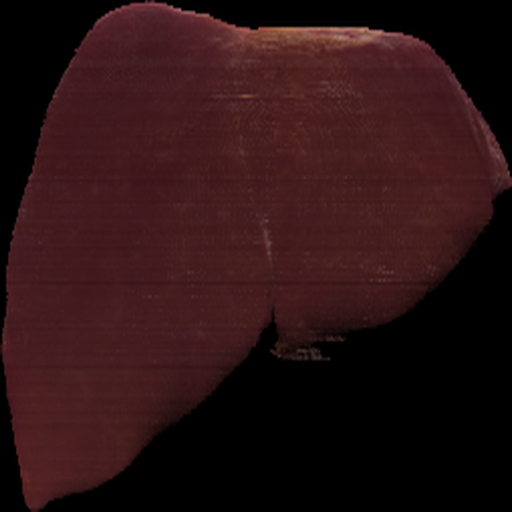
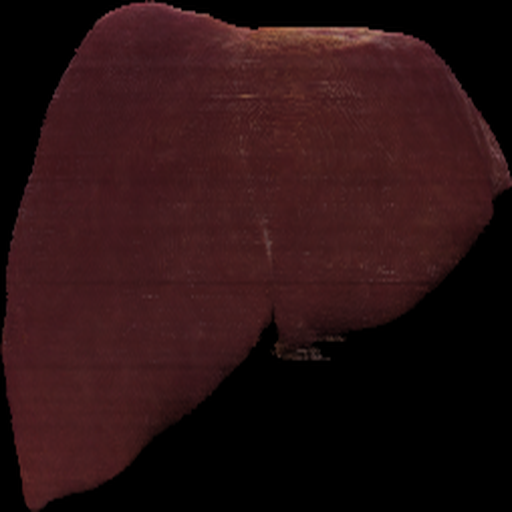
Liver
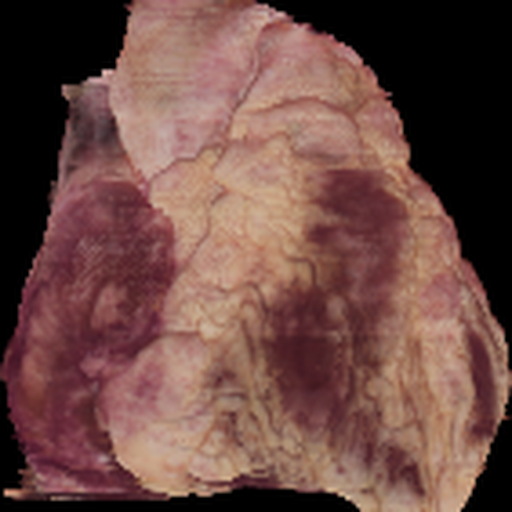
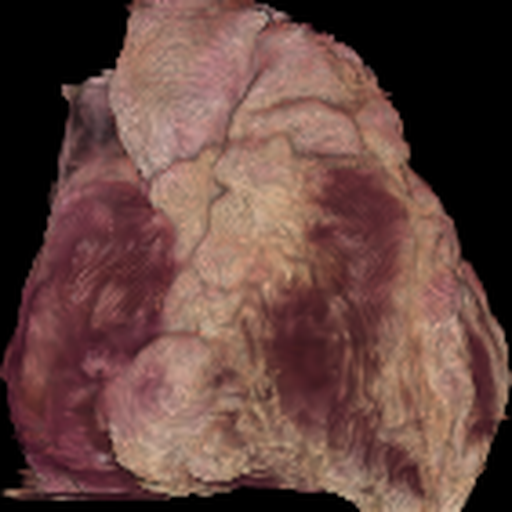
Heart
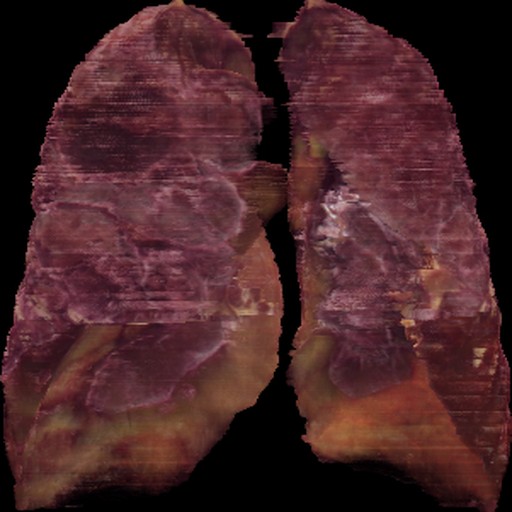
Lung
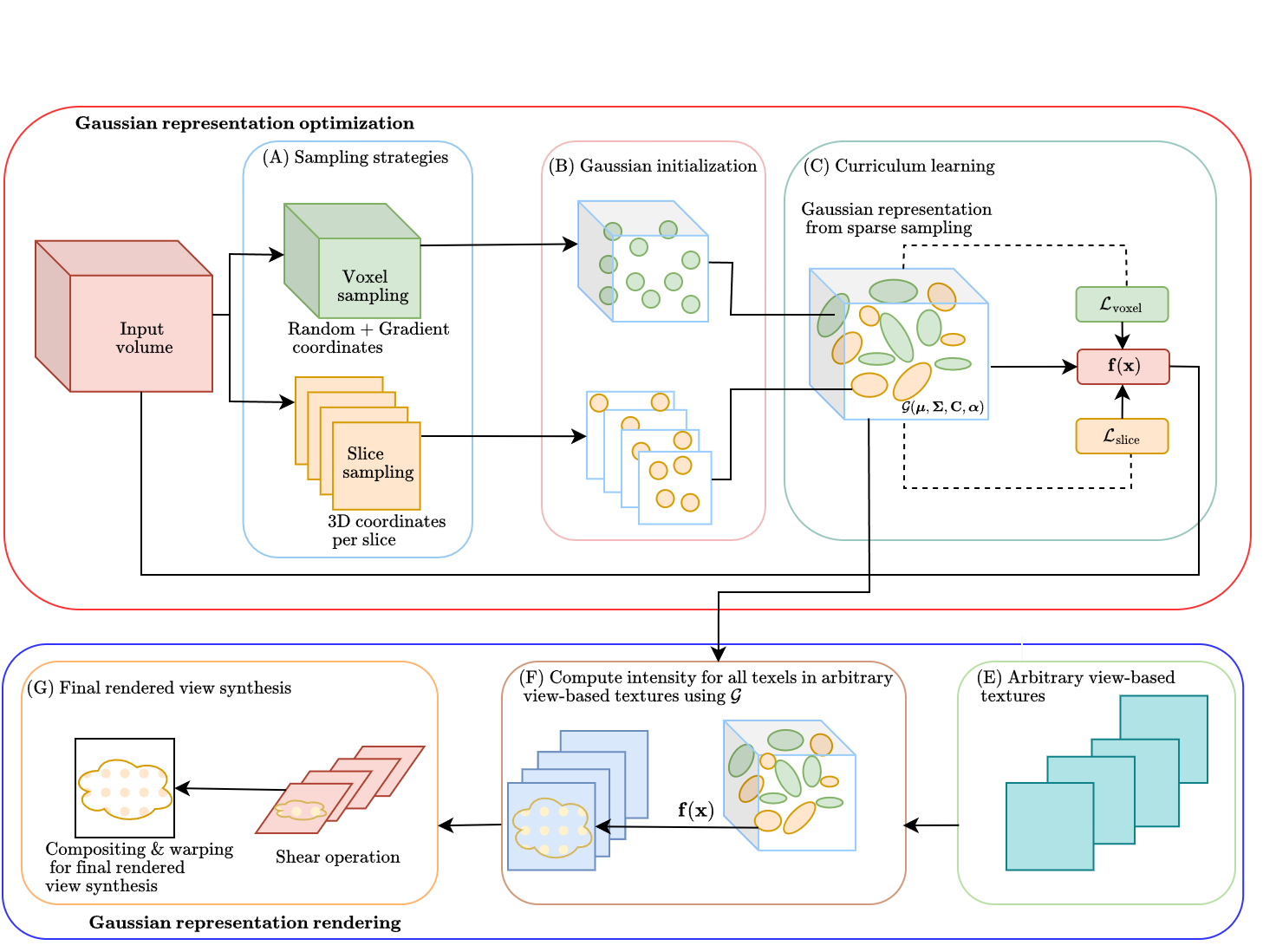
Medical image visualization requires volumetric rendering algorithms that preserve anatomical fidelity while maintaining high rendering speeds. To address the high computational cost of large volumetric datasets, we propose a Gaussian-based volumetric representation for efficient visualization of dense medical volumes without compromising structural and radiometric details.
The proposed representation is optimized using Monte Carlo volumetric estimation, which enables training on a highly sparse subset of voxels while maintaining consistency with the dense volumetric objective. In addition, we introduce a curriculum learning strategy that progressively incorporates structured slice-based sampling during training. Sparse voxel samples provide an early global coverage of the volume, while slice samples capture spatially correlated regions that aid geometric structure and texture continuity. This combination enables the Gaussian representation to learn anatomical details of various structures and corresponding textures from sparse supervision while significantly reducing the computational cost associated with dense voxel processing. The learned representation supports slice-based rendering methods such as shear–warp volume rendering, enabling efficient visualization of multimodal medical datasets including MRI and Cryosection volumes while preserving anatomical structures. Using sparse supervision, our method achieves up to 43.86 FPS rendering with a compression ratio of 11.31:1.
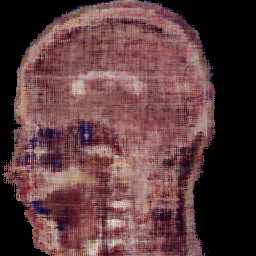
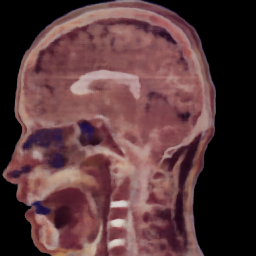
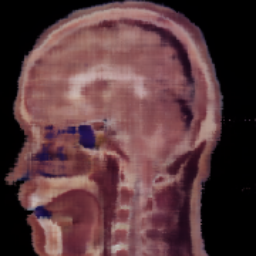
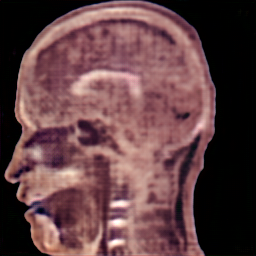
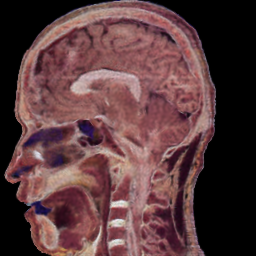
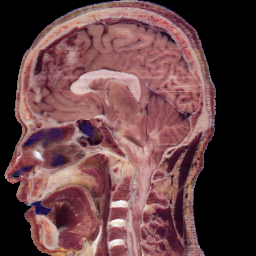
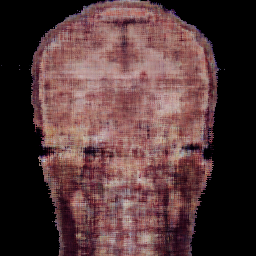
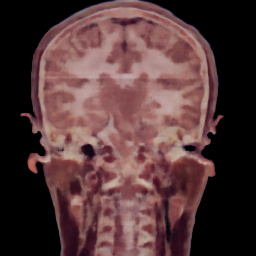
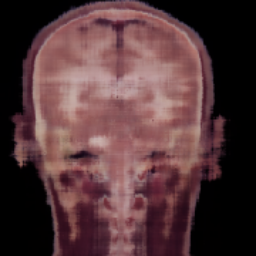
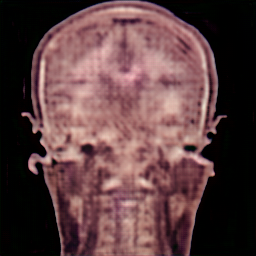
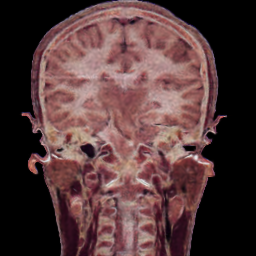
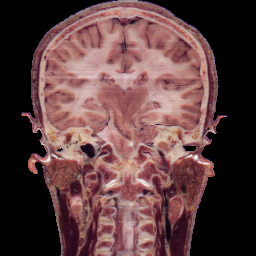
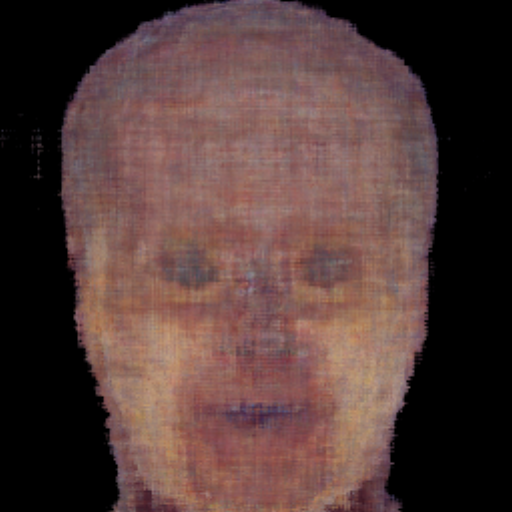
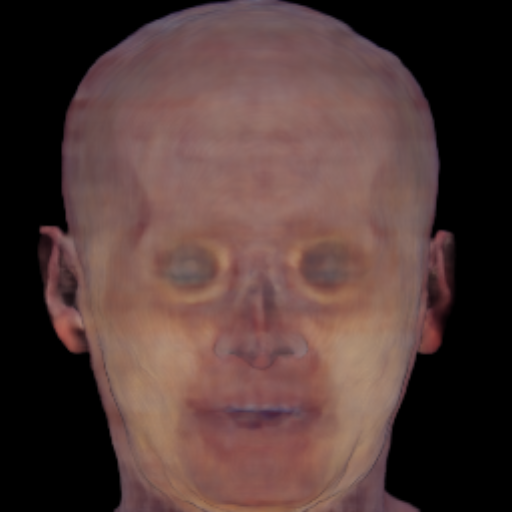
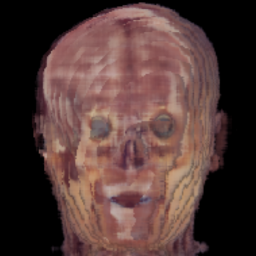
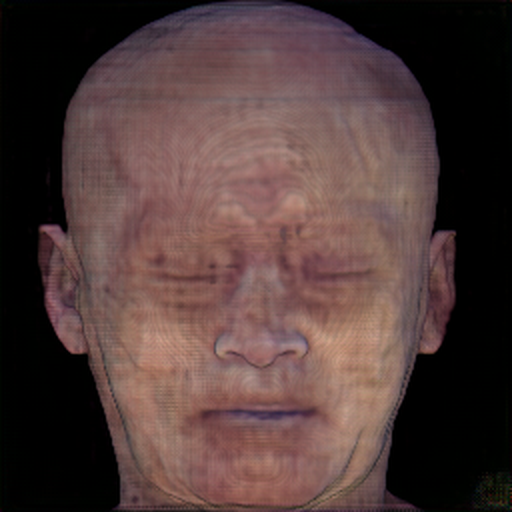
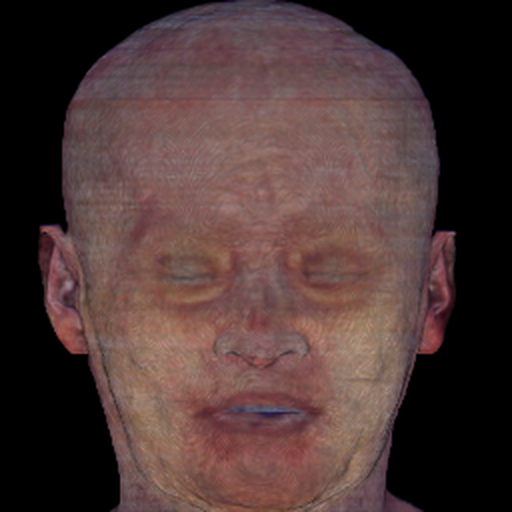
Comparisons with learning based volumetric representation methods.
| Cross section |
 |
 |
 |
 |
 |
 |
| Cross section |
 |
 |
 |
 |
 |
 |
| Rendered view |
 |
 |
 |
 |
 |
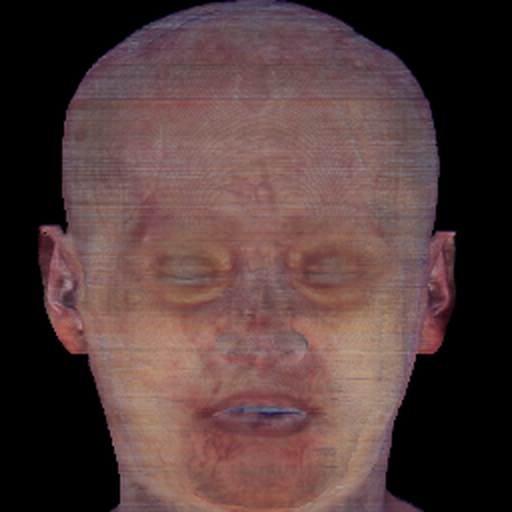 |
| Voxel MLP | Slice MLP | Trans former | UNet | Ours | GT |
|---|
| Reconstruction Quality | Rendering Quality | |||||||
|---|---|---|---|---|---|---|---|---|
| Method | PSNR ↑ | MSE ↓ | SSIM ↑ | MS-SSIM ↑ | PSNR ↑ | MSE ↓ | SSIM ↑ | MS-SSIM ↑ |
| Voxel MLP | 23.63 | 0.000434 | 0.772 | 0.871 | 46.610 | 0.000176 | 0.968 | 0.980 |
| Slice MLP | 30.02 | 0.000995 | 0.920 | 0.969 | 36.32 | 0.000248 | 0.973 | 0.983 |
| Transformers | 9.60 | 0.052000 | 0.631 | 0.404 | 29.73 | 0.014900 | 0.873 | 0.481 |
| UNet | 26.70 | 0.002130 | 0.798 | 0.943 | 42.10 | 0.00052 | 0.982 | 0.985 |
| Ours | 34.81 | 0.000398 | 0.956 | 0.993 | 54.87 | 0.000021 | 0.995 | 0.993 |
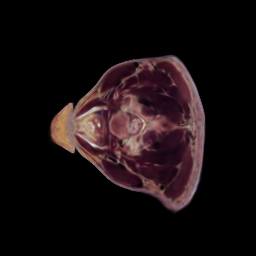
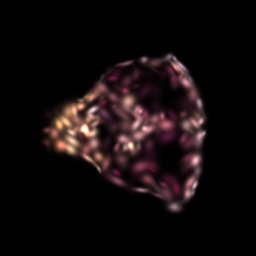
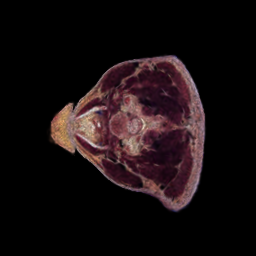
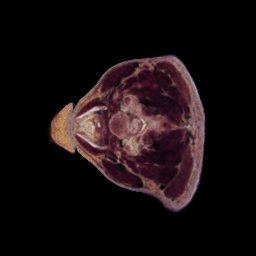
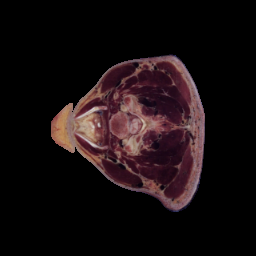
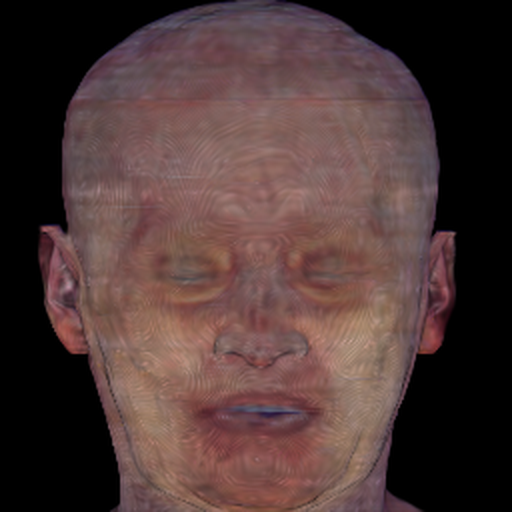
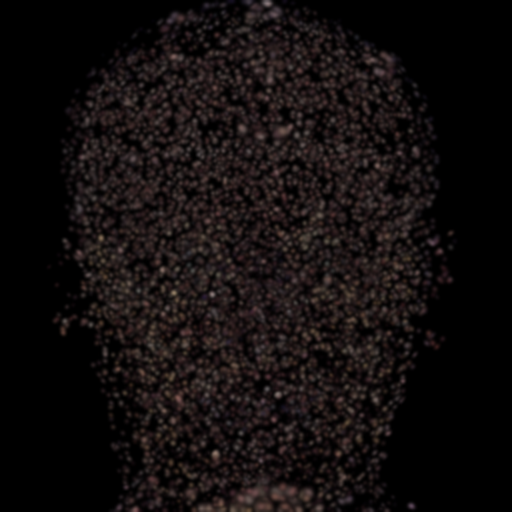
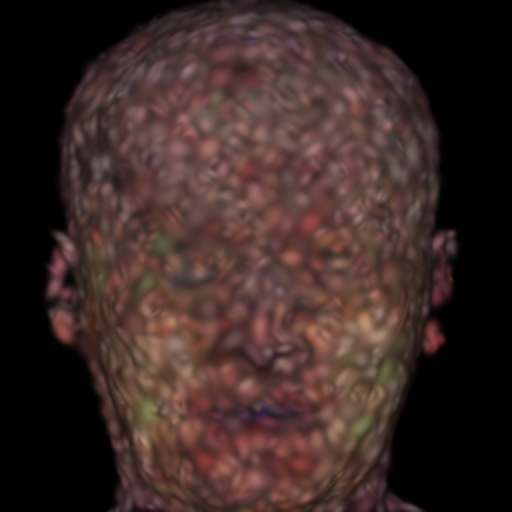
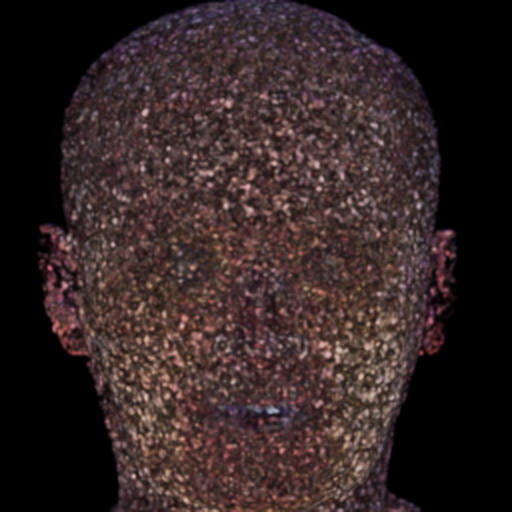
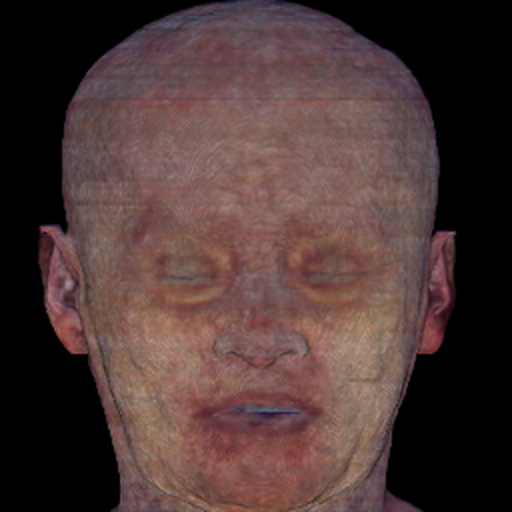
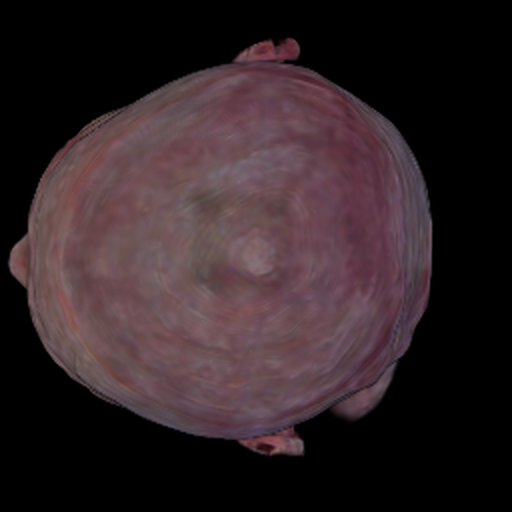
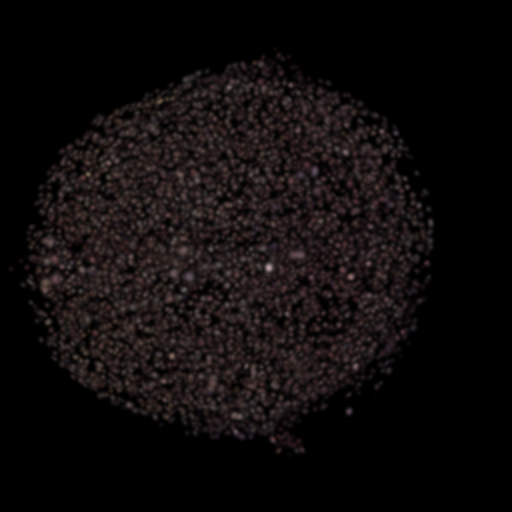
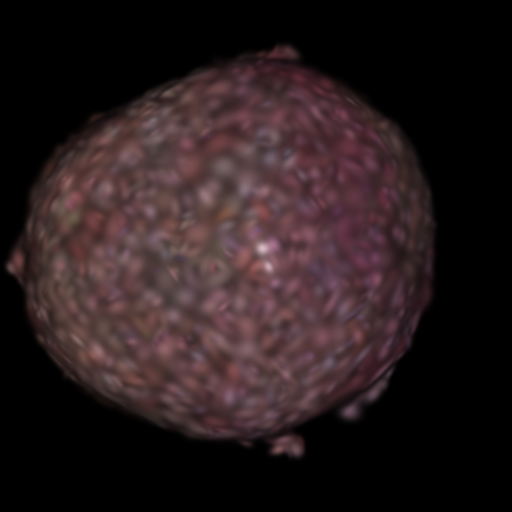
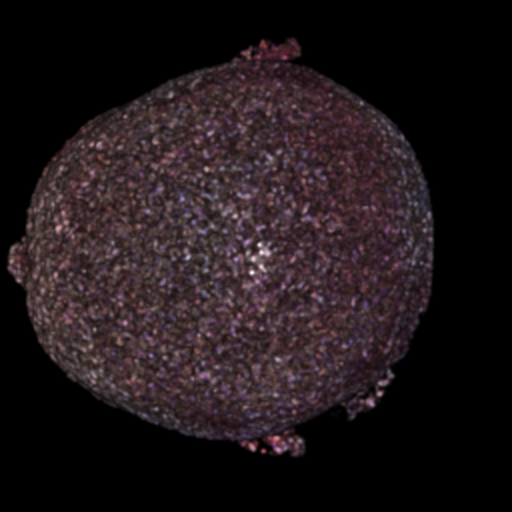
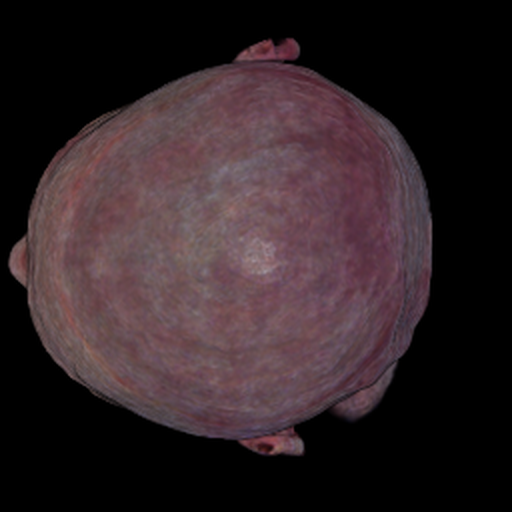
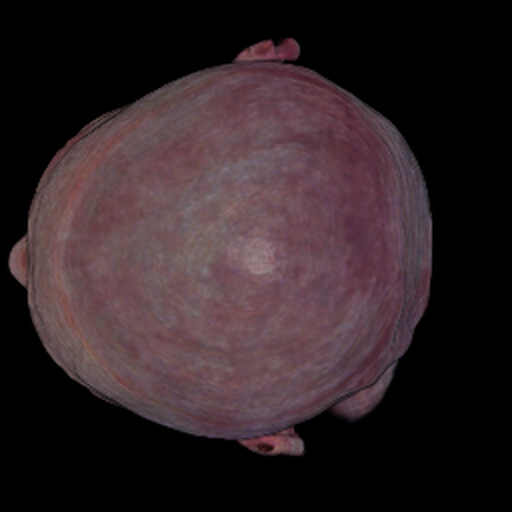
Visual comparisons of the ablation study on cross sections and rendered views from shear-warp renderer.
| Cross section |
 |
 |
 |
 |
|
 |
 |
| Rendered view |
 |
 |
 |
 |
 |
|
|
| Rendered view |
 |
 |
 |
 |
 |
 |
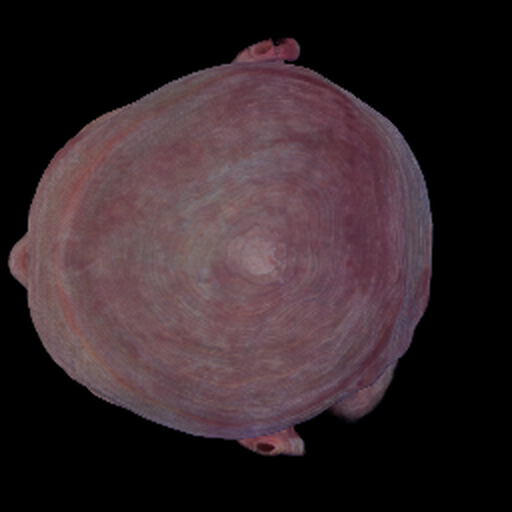 |
| A₁ | A₂ | A₃ | A₄ | A₅ | Ours | GT |
|---|
| Reconstruction Quality | Rendering Quality | |||||||
|---|---|---|---|---|---|---|---|---|
| Method | PSNR ↑ | MSE ↓ | SSIM ↑ | MS-SSIM ↑ | PSNR ↑ | MSE ↓ | SSIM ↑ | MS-SSIM ↑ |
| A₁ | 33.46 | 0.000451 | 0.956 | 0.990 | 50.7 | 0.0002400 | 0.962 | 0.964 |
| A₂ | 12.16 | 0.0054300 | 0.060 | 0.214 | 27.10 | 0.025800 | 0.826 | 0.789 |
| A₃ | 22.64 | 0.005439 | 0.727 | 0.850 | 40.59 | 0.000782 | 0.932 | 0.937 |
| A₄ | 14.350 | 0.0366 | 0.646 | 0.512 | 33.18 | 0.005020 | 0.878 | 0.887 |
| A₅ | 32.40 | 0.000576 | 0.943 | 0.988 | 52.34 | 0.000161 | 0.968 | 0.991 |
| Ours | 34.81 | 0.000398 | 0.956 | 0.993 | 54.870 | 0.000021 | 0.995 | 0.993 |
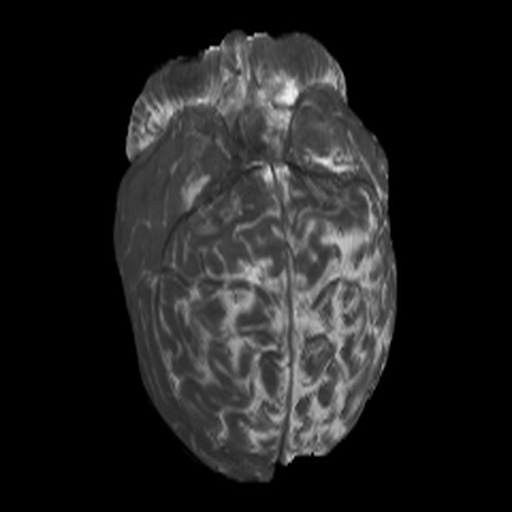
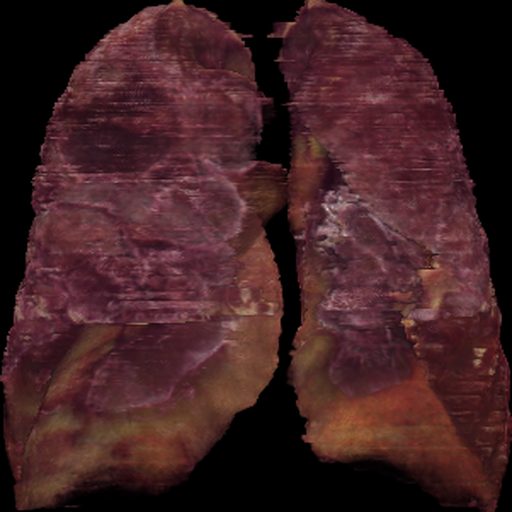
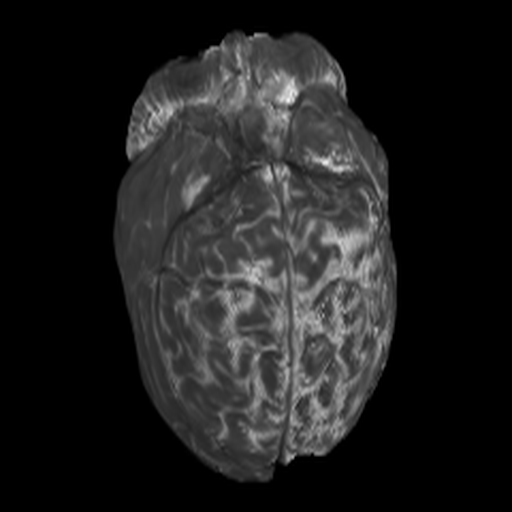
Visual results of rendered views of different organs from Cryosection, BraTS MRI, and Mouse neonatal MRI datasets.
| GT | 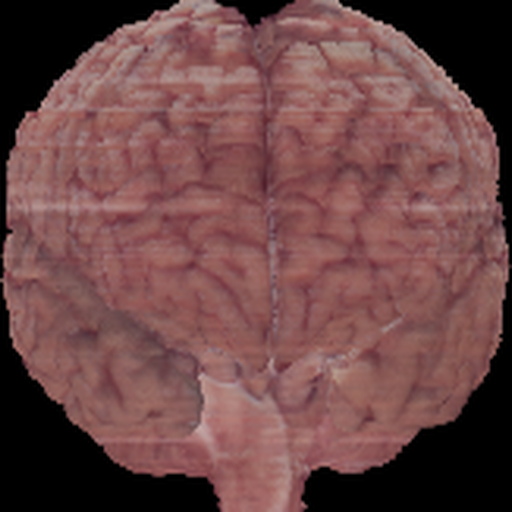 |
 |
 |
 |
 |
_256.png) |
| Pred. | 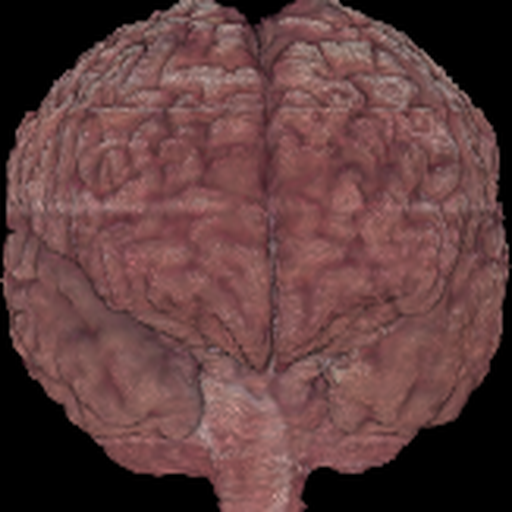 |
 |
 |
 |
 |
_256.png) |
| Brain Cryo |
Liver Cryo |
Heart Cryo |
Lungs Cryo |
BraTS MRI |
Mouse MRI |
|---|
| Dataset | PSNR | SSIM | MS-SSIM | FPS | Compression ratio |
|---|---|---|---|---|---|
| Brain (Cryo) | 32.10 | 0.943 | 0.991 | 45.5 | 9.34:1 |
| Liver (Cryo) | 43.16 | 0.981 | 0.996 | 50.18 | 9.45:1 |
| Heart (Cryo) | 32.19 | 0.958 | 0.990 | 48.57 | 10.09:1 |
| Lungs (Cryo) | 34.93 | 0.952 | 0.989 | 39.77 | 4.73:1 |
| BraTS (MRI) | 40.88 | 0.988 | 0.998 | 44.82 | 11.31:1 |
| Mouse Neonatal (MRI) | 33.48 | 0.956 | 0.987 | 46.56 | 9.94:1 |